Is the 30-Year Luxury Feast Truly Over?
The Myth of the 12% Resurrection
The market is celebrating a temporary 12% surge in LVMH stock. Analysts are split. UBS screams "recovery," while Berenberg downgrades Kering to a hard Sell. This short-term capital market volatility is retail-level noise. The macro reality remains unchanged: the structural luxury super-cycle that started in the mid-1990s has officially hit a wall.
The Dual Engines Flame Out
The expansion of luxury from aristocratic privilege to middle-class delusion relied on two specific geographic drivers. Both are structurally compromised.
| Market | Core Growth Driver | Current Reality |
|---|---|---|
| China | Social climbing via status symbols (e.g., the first entry-level LV bag). | Market declined 18% to 20% in 2024. Pervasive "luxury shame" has turned overt branding into a social faux pas. |
| United States | Cheap credit, low interest rates, and "Buy Now, Pay Later" schemes. | Five-year cost of living rose 24% while wages only grew 20%. 69% of middle-class families cannot keep pace; 71% are pessimistic about savings. |
The Elimination of the Aspirational Consumer
The entire luxury industry’s growth model was a volume game disguised as exclusivity. Berenberg’s core insight divides the market into two distinct tiers:
- Absolute Luxury Consumers: Ultra-high-net-worth individuals whose purchasing power scales with asset inflation.
- Aspirational Consumers: The middle class whose spending relies entirely on disposable income and economic confidence.
The industry lost over 50 million consumers in 2024. The massive exodus consists almost entirely of the aspirational tier. Average price hikes of 20% over four years have permanently locked these buyers out. Future industry growth will drop from a historical 6% average to a stagnant 2% to 3%.
The Substitution War: Identity vs. Experience
"The true opposite of luxury is not counterfeit goods; it is alternative luxury substitutes."
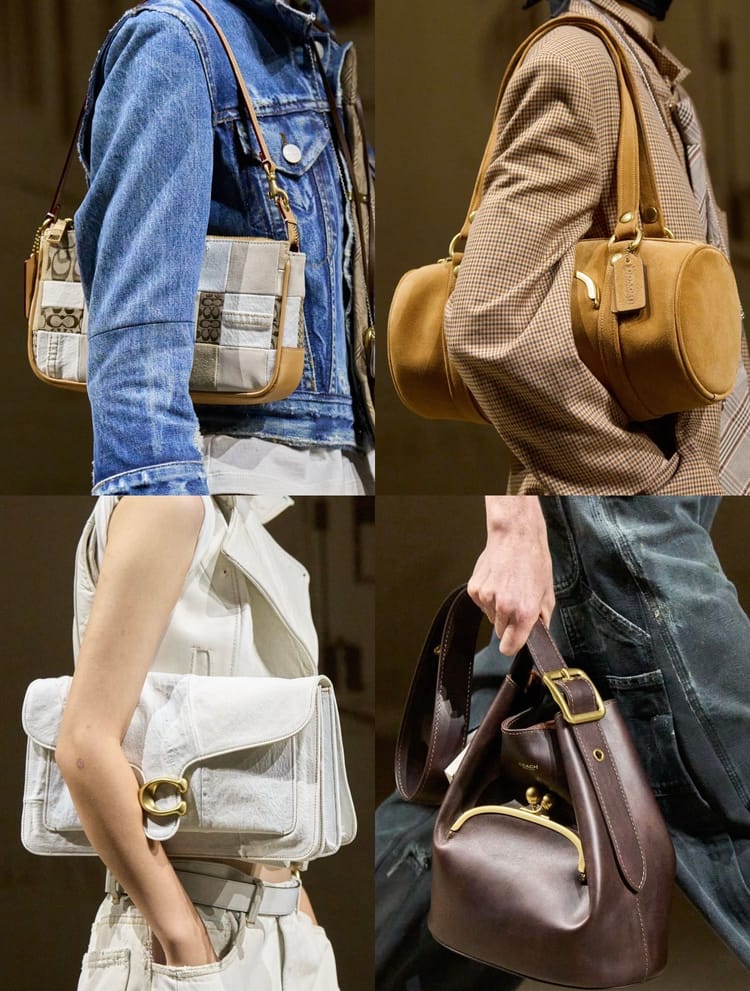
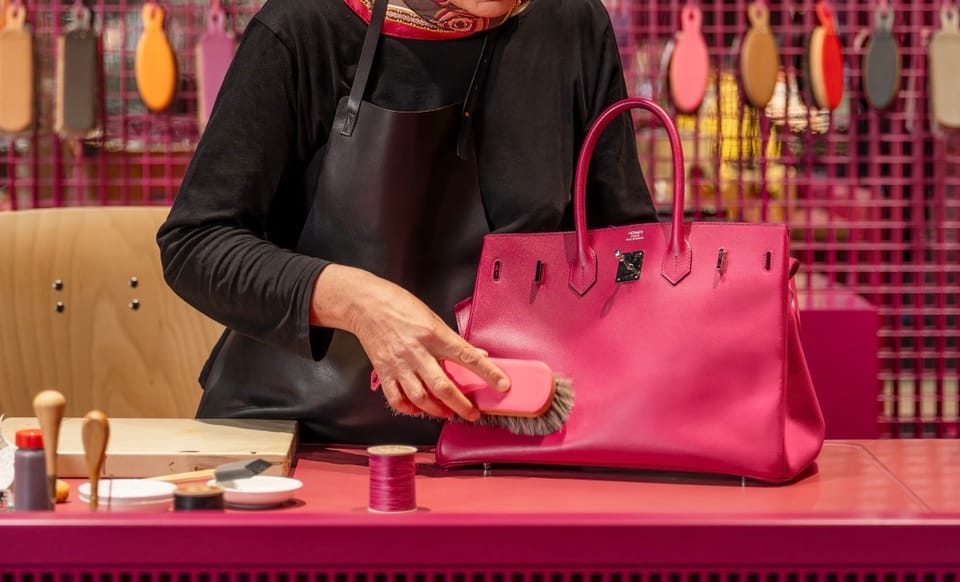
Luxury is not vanishing; it is narrowing. The market is splitting into pure, hyper-scarce plays (Hermès, Ferrari) and premium lifestyle commodities competing directly with Apple, Lululemon, and On.
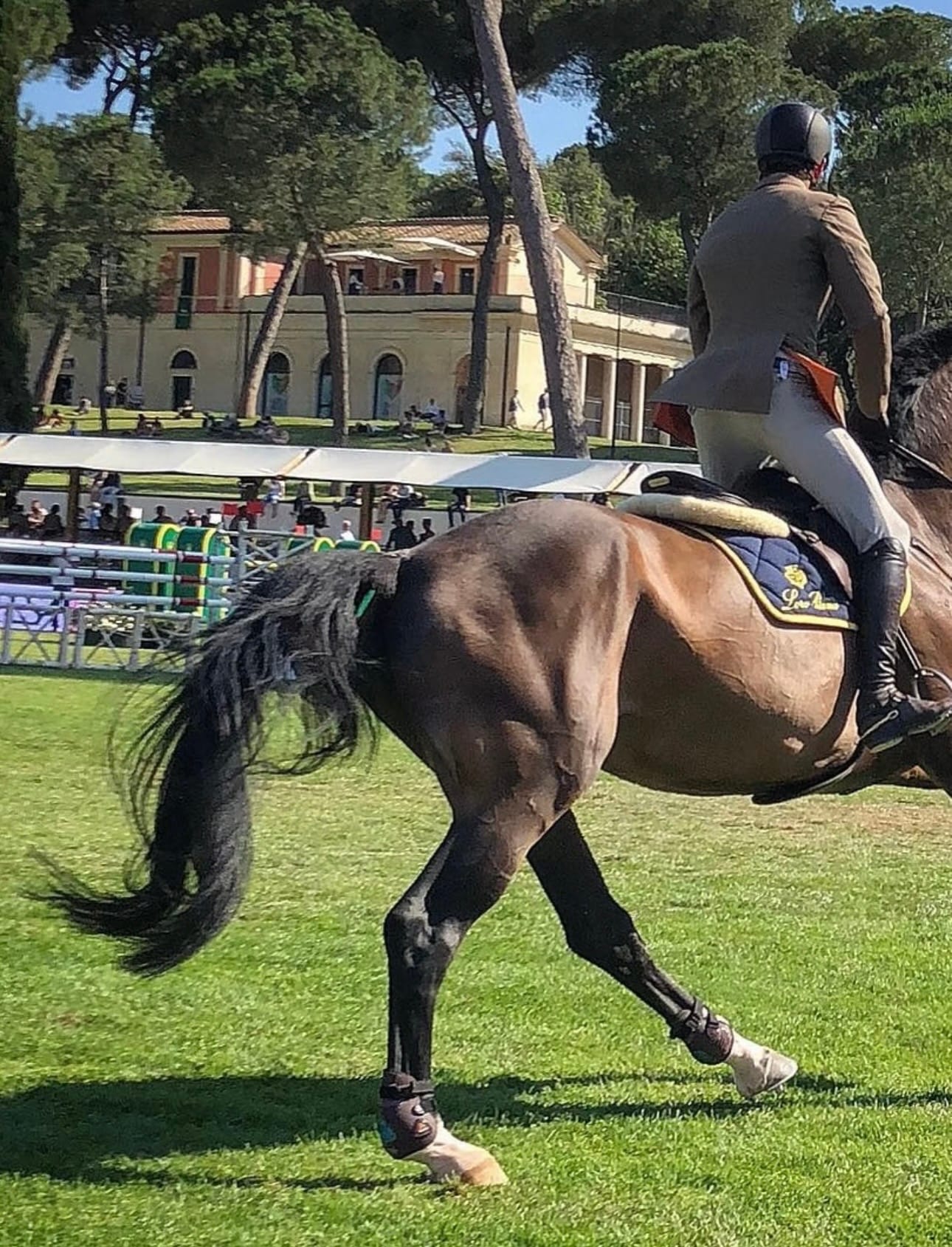
Gen Z and younger Millennials are actively replacing physical leather goods with high-margin experiential status markers. A luxury hotel stay, elite education, equestrian sports, or golf now command the social signaling capital that used to belong to a Chanel 25. Brands attempting a dual-track strategy—pushing cheap canvas pouches to the masses while chasing Haute Couture at the top—are playing a call-outable game of brand dilution.
Verdict: Pass on Mid-Tier Volume Plays
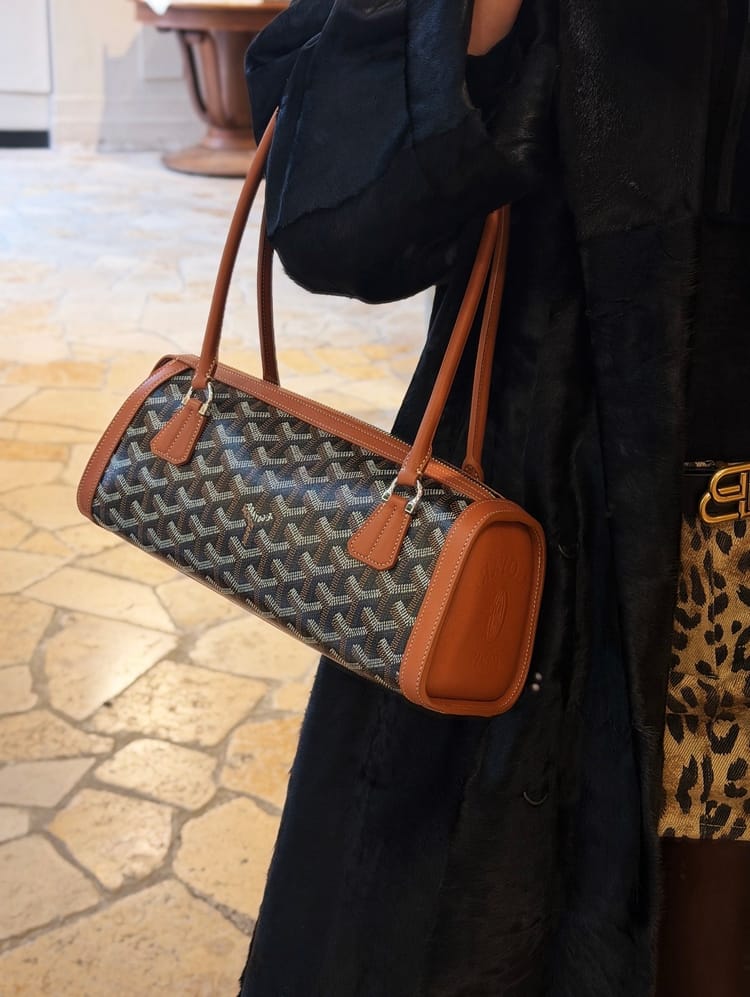
Pass on brands structurally dependent on aspirational volume (Gucci, entry-tier LVMH lines). They are trapped in a dead zone. The narrative of buying a leather logo to confirm middle-class success has collapsed. Invest or pivot exclusively toward absolute scarcity or high-utility premium lifestyle substitutes. The feast is over; the market is cold, narrow, and honest.